The Savior of Mankind — A Brief Account of His Life and Deeds
Ato Bogum is a legendary and revered figure in the history of Arunachal Pradesh, particularly among the descendants of Abo Tani. From childhood, his heroic deeds have been narrated through oral traditions, inspiring generations and instilling a deep sense of pride among his descendants.
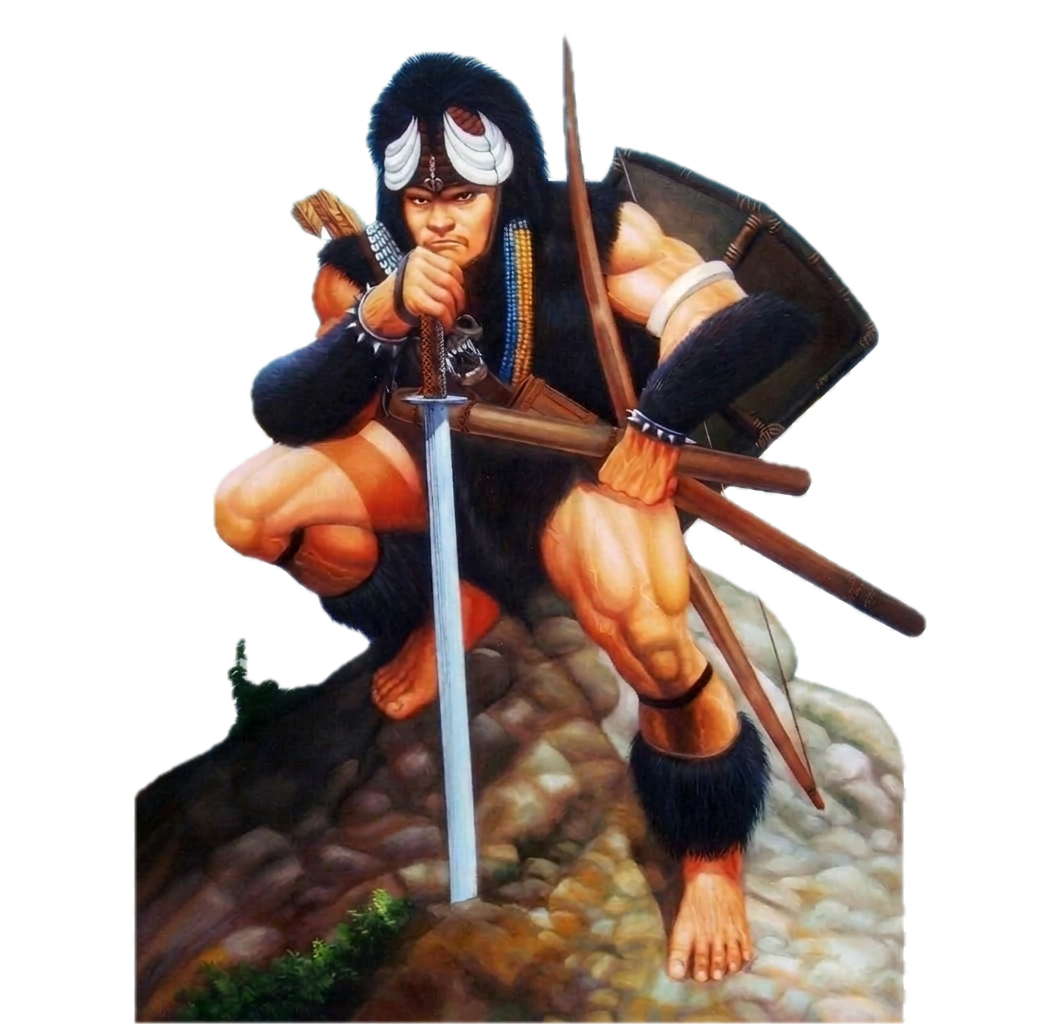
During migration between Tibet and Geiling, many people were killed by a fearsome monster named Kibo Garo, which could reassemble its severed body parts. Ato Bogum defeated it by severing its head and throwing it into the Siang River, preventing its regeneration and freeing humanity from its terror.
The Doob Miira — flying mountain dragons — resided in a cave near Pangin and preyed upon humans and animals. After ritual divination, Ato Bogum was identified as the only one capable of defeating them. Risking his life, he entered their cave and annihilated them, saving mankind from extinction.
Upon his return, villagers fled in fear of his power, leaving only his daughter Gumne behind. Despite this, Ato Bogum harbored no resentment and displayed wisdom, compassion, and restraint — reaffirming his role as a protector rather than a destroyer.
Opotachi, a monstrous crab-like demon dwelling underground, preyed upon humans and animals. Ato Bogum killed it by severing its limbs. It is believed that since then, the Kho plant (ekkam) withers when cut by Bogum descendants — a phenomenon known as Chinam.
Another lethal challenge involved licking sharp bamboo blades. Ato Bogum performed this feat with speed and skill, while others suffered grievous injuries. Once again, his superiority was established beyond doubt.
Even today, Ato Bogum is revered as a great ancestor and savior of mankind. His life symbolizes courage, wisdom, sacrifice, and compassion. The story of Ato Bogum and the genealogy of the Bogum clans serve as a guiding light, reminding present and future generations of their rich heritage and responsibility to preserve unity, dignity, and cultural identity for generations to come.
The Bogum Liine Symbol →